See Your Home Through a Safety Lens
Real homes. Real risks. Real solutions. Discover what changes when routines are designed for independence.

Where Falls and Injuries Happen Most
Three everyday situations. Three opportunities to intervene. Understanding where risks cluster in daily routines helps families prevent injuries before they occur. SafeHome identifies these high-risk moments and designs interventions that fit naturally into your home's rhythm.
Stair Navigation
Inconsistent handrail use and poor lighting create fall hazards. Our assessment identifies grip strength requirements, step height variations, and optimal lighting placement to support safe transitions between levels.
Bathroom Transfers
Wet surfaces, grab bar positioning, and transfer technique consistency are critical. We evaluate shower entry, toilet height, and caregiver positioning to reduce slip and fall incidents during vulnerable moments.
Meal Preparation Consistency
Kitchen layout, appliance accessibility, and caregiver presence during cooking prevent burns and falls. Structured routines ensure medications are taken, nutrition is consistent, and the environment supports safe food handling.
Our Diagnostic Method
Trained observation. Structured reasoning. Actionable insights. SafeHome combines systematic home evaluation with caregiver expertise to create personalized safety plans that preserve independence and dignity.
Step 1: Environment Mapping
We document room layouts, lighting conditions, surface materials, and existing safety features. This baseline assessment reveals hazards that daily routine might mask or normalize.
Step 2: Routine Analysis
We observe typical daily patterns—how your loved one moves through the home, where caregivers are present, what tasks require support. Consistency in routine is the foundation of fall prevention.
Step 3: Caregiver Capacity
We assess caregiver training, physical capability, and availability. Effective safety depends on matching interventions to the actual support system in place, not theoretical ideals.
Step 4: Intervention Design
We prescribe specific modifications, equipment, and scheduling changes with clear reasoning. Each recommendation connects directly to observed risks and caregiver capacity, ensuring feasibility and compliance.
What Actually Changes in Daily Patterns
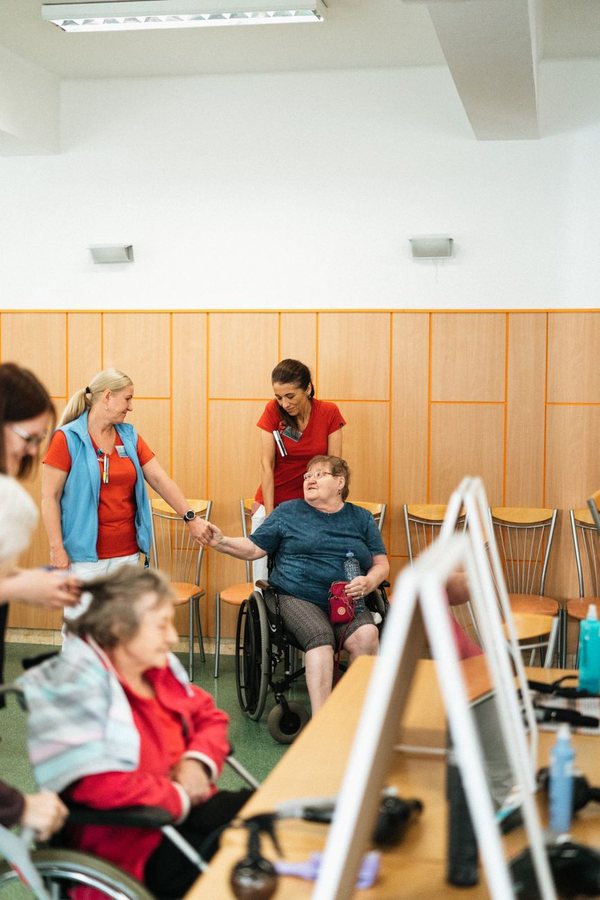
Real scheduling examples. Real caregiver tasks. Real outcomes. SafeHome transforms abstract safety principles into concrete daily routines that caregivers can execute consistently and seniors can navigate with confidence.
Evidence-Based Reasoning
Consistency prevents falls. Trained assessment prevents oversights. Targeted routines preserve independence. SafeHome's methodology rests on clear cause-and-effect logic, not guesswork or fear-based recommendations.

Why Consistency Matters
Falls occur when routines break down—when a caregiver is absent, when a task is rushed, when environmental changes go unnoticed. SafeHome designs schedules that embed safety into daily rhythm, making protective behaviors automatic rather than effortful.
Weekly check-ins with caregivers reinforce technique, catch emerging hazards, and adjust interventions as mobility or cognition changes. This ongoing partnership prevents the slow drift toward unsafe patterns.
Start Your Home Assessment
Tell us about your situation. We'll guide you through the next steps.